
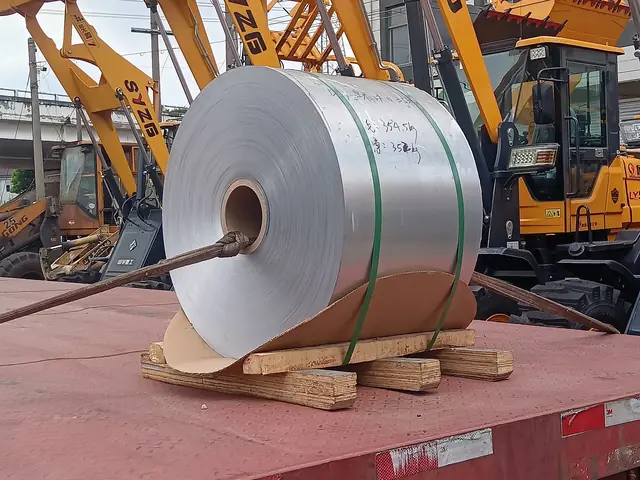
Steel strap is still the first choice for loads no plastic strap can hold: steel coils, pipes, marble and heavy equipment. Choosing it well takes a little know-how.
Blue painted or galvanised?
Blue painted strap is painted and waxed, which protects it from rust in normal storage and helps it slide through tools. It is the most used and the cheaper option.
Galvanised strap is zinc-coated, so it handles damp and outdoor storage better. Choose it if the goods will sit outside or go somewhere humid.
How the size is set
Size = width × thickness. The most common are 16 × 0.5, 19 × 0.6 and 32 × 0.8 mm. The heavier the load and the sharper its edges, the wider and thicker the strap you need.
Joining methods
- Seal and sealer: place the seal over both ends and crimp it. Flexible and works on every size.
- Sealless: a combination tool notches the strap itself. Faster, and saves the cost of seals on high volumes.
- Pneumatic: for wide strap and continuous work in plants.
Safety first
- Always wear heavy gloves and eye protection.
- Hold the free end when cutting — tensioned steel snaps back.
- Never stand in line with the strap when you cut it.
- Never use the strap as a handle to lift the load.
When to switch to PET
For bricks, ceramics or timber, PET is usually enough, safer, lighter and rust-free. Steel coils and sharp-edged goods still need steel.
See available sizes on the steel strap page.
